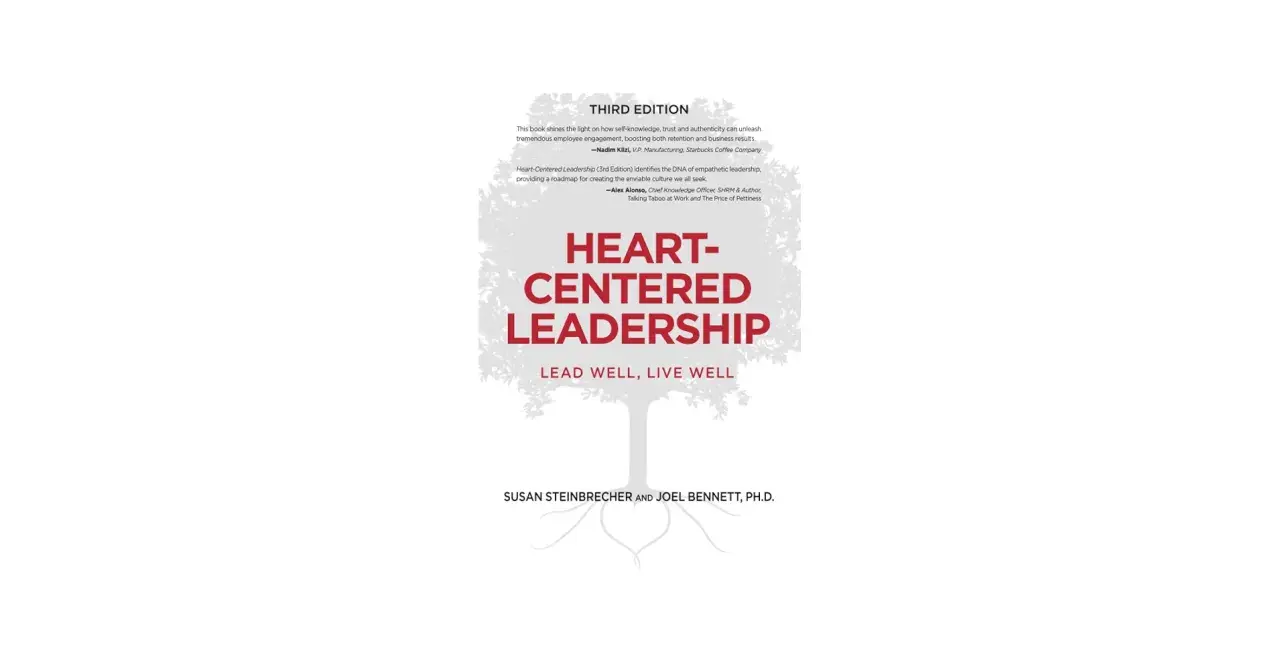
The essentials in one glance
- Heart-led leadership blends empathy with accountability, not softness with passivity.
- Emotional intelligence shows up through self-awareness, self-regulation, empathy, and relationship management.
- Teams respond best when leaders listen well, give clear expectations, and follow up consistently.
- The biggest risk is performative care: warm language without decisions, boundaries, or feedback.
- Small habits, like structured check-ins and calm conflict conversations, create more trust than grand statements.
Why this style of leadership resonates now
In 2026, most teams are dealing with some mix of pressure, change, and attention fatigue. Hybrid work, tighter budgets, and the quiet strain of always being available have made purely transactional management feel thin. People still want results, but they are much less willing to follow leaders who treat them like output machines.
That is where a more human style starts to matter. In the UK, this is especially visible at line-manager level, where day-to-day conversations shape morale far more than any values poster on the wall. It also fits with Acas guidance on leading people, which links wellbeing, work-life balance, and productivity instead of treating them as separate goals.
My own view is simple: when trust drops, performance usually follows. A leader who can stay calm, notice stress early, and respond with clarity gives the team something valuable that processes alone cannot provide. That foundation leads naturally to the difference between a warm-sounding idea and a usable leadership practice.

What emotionally intelligent leaders do differently
Emotionally intelligent leaders do not just “care more.” They notice what people are communicating, they regulate their own reactions, and they respond in a way that keeps both dignity and standards intact. That is the practical edge of heart-centred leadership: it is visible in small moments, not in slogans.
| Situation | Low-trust response | Better response |
|---|---|---|
| Someone goes quiet in a meeting | Assume disengagement and move on | Check in privately and ask what would help them contribute |
| Performance slips | Issue a vague warning | Name the gap, ask what changed, and agree support plus a deadline |
| Conflict appears between colleagues | Tell them to sort it out themselves | Set a structured conversation with a clear outcome and follow-up |
| Change is announced | Push the message and hope for compliance | Explain what is changing, what is staying, and what uncertainty remains |
The pattern is consistent: these leaders do not confuse emotional intelligence with avoiding hard calls. They use emotional data to make better calls. That distinction matters because the next question is not whether to care, but which capabilities make that care credible.
The four skills that make it real
When people talk about emotional intelligence, they often mean “being nice.” That is too narrow. In practice, I think of it as a working system made up of four linked skills: self-awareness, self-regulation, empathy, and relationship management. The best leaders use all four, because each one prevents a different kind of failure.
Self-awareness
This is the ability to notice your own triggers, assumptions, and stress patterns before they spill into the team. If I am irritated by lateness, for example, I need to know whether the real issue is reliability, workload, or my own pressure that day. Without that clarity, I will overreact to small problems and underreact to serious ones.
Self-regulation
This is what keeps a leader from turning every tense moment into a tense meeting. It does not mean suppressing emotion; it means pausing long enough to choose the right response. A short pause, a calmer tone, or a follow-up conversation an hour later can completely change how a message lands.
Empathy
Empathy is the ability to understand another person’s point of view without automatically agreeing with it. In leadership, that means asking better questions before assuming bad intent. CIPD has long treated empathy as a serious leadership capability, and I agree with that emphasis: empathy helps you understand what is driving behaviour, which makes your response more accurate.
Read Also: Emotional Intelligence Presentation - Make It Practical
Relationship management
This is where the work becomes visible in culture. It includes giving feedback, resolving tension, building trust, and helping people cooperate when there is friction. A leader can be thoughtful and self-aware, but if they cannot manage the relationship, the team still feels the cost. Good relationships are not a bonus outcome; they are part of the job.
These four skills are not personality traits you either have or do not have. They can be practised, and that is important because the next step is learning how to use them without slipping into permissiveness.
How to practise it without becoming permissive
This is where many leaders go wrong. They hear “lead with heart” and translate it into delay, softness, or endless explanation. That is not compassion. It is avoidance. Strong leadership can be warm and firm in the same sentence.
- Start with facts, not interpretation. Say what happened before you say what it means.
- Name the emotional reality without absorbing it. “I can see this has been frustrating” is different from taking responsibility for the frustration.
- State the standard clearly. People do not feel respected when expectations are fuzzy.
- Offer one concrete form of support. Keep it practical: time, clarity, resources, or a follow-up.
- Set the next checkpoint. Accountability needs a date, not a vibe.
A useful line in a difficult conversation sounds like this: “I can see this has been hard. The expectation is still X, and we need Y by Friday. Let’s talk about what support gets you there.” That sentence combines empathy, clarity, and accountability in a way most teams can actually use.
In my experience, that is the sweet spot. People rarely resist high standards on their own; they resist unclear standards, inconsistent standards, or standards delivered without respect. Once that is clear, the biggest risks become easier to spot.
The mistakes that make the approach look weak
When this style fails, it usually fails for predictable reasons. I see the same mistakes again and again, and they are worth naming because they are easy to avoid once you know what to watch for.
- Confusing empathy with agreement. You can understand someone’s position without endorsing it.
- Avoiding hard feedback. Kindness without correction becomes frustration later.
- Oversharing to seem authentic. Teams need appropriate transparency, not unfiltered emotion.
- Rewarding availability over boundaries. If the leader is always on, the team learns that rest is suspicious.
- Using caring language only with high performers. Consistency matters more than charm.
The biggest one, in my view, is performative care: saying the right words while the system stays unchanged. People can sense that quickly. They notice whether meetings get better, whether decisions are explained, whether workloads are realistic, and whether feedback actually leads somewhere. That is why the next section matters so much.
A practical 30-day reset for a stronger leadership style
If you want to make this real, do not start with a slogan. Start with a four-week reset that changes how people experience you in ordinary situations. I would rather see a leader do this well for 30 days than sit through a polished workshop and change nothing afterwards.
- Week 1: Run three 15-minute one-to-ones and ask the same three questions each time: What is going well? What is getting in your way? What do you need from me?
- Week 2: Practice one feedback conversation where you separate the person from the behaviour and end with a clear next step.
- Week 3: Review one recurring meeting and remove one source of noise, such as unclear ownership, too many agenda items, or no decision point.
- Week 4: Ask your team for one piece of blunt feedback on your communication style, then act on one thing they say.
The point is not perfection. The point is rhythm. People trust leaders who are consistent more than leaders who are occasionally insightful. Once you have a rhythm, the style stops feeling like a personal preference and starts becoming part of how the team works.
The first changes I would make in a stretched UK team
If I were improving a team culture in a UK organisation, I would begin with three simple shifts: more structured check-ins, cleaner feedback, and firmer boundaries around availability. Those moves usually matter more than any large-scale leadership statement because they change the lived experience of work.
I would also stop treating empathy as a separate “soft skill” and start treating it as part of decision-making. That is where heart-centered leadership earns its place: it helps leaders stay humane without becoming vague, and decisive without becoming cold. When people feel understood and still know what is expected of them, trust rises quickly.
That is why this approach works best when it is grounded in behaviour, not branding. If you want the benefits to last, keep the focus on the small moments people remember: how you listen, how you explain, how you correct, and how you follow through.