Key points at a glance
- Resilience is not about never feeling pressure; it is about recovering quickly enough to keep thinking clearly and acting well.
- Emotional intelligence speeds up recovery because it improves self-awareness, self-regulation, and perspective-taking.
- In UK workplaces, the people who handle stress best are usually not the toughest sounding ones, but the ones who reset, communicate, and adapt early.
- Recovery habits work best when they are small, repeatable, and realistic enough to survive a busy week.
- If stress keeps returning, the issue may be workload, culture, or support, not personal weakness.
What resilience really means in emotional intelligence
Resilience is often misunderstood as stiffness or emotional distance. I see it more as the capacity to recover after pressure, interpret what happened accurately, and choose a useful response instead of getting stuck in panic, blame, or shutdown. Emotional intelligence matters because it gives you the inner signals and social awareness to do that well.
A simple way to separate the ideas is this:
| Concept | What it is | Why it matters |
|---|---|---|
| Resilience | The ability to return to steady functioning after a setback or stressful event. | Helps you stay effective under repeated pressure. |
| Coping | The tactics you use to get through the immediate moment. | Useful in the short term, but not always enough on its own. |
| Emotional intelligence | The skill of noticing, understanding, and regulating emotions in yourself and others. | Improves recovery because it reduces reactivity and clarifies choices. |
That distinction matters. Coping can be as simple as taking a walk before a difficult call. Resilience is what lets you come back sharper for the next call. Emotional intelligence is the mechanism that helps both happen without unnecessary drama. From there, the next question is obvious: why does this skill matter so much at work?
Why it matters in leadership and career growth
In leadership, people rarely judge you only by the final outcome. They notice how you respond when deadlines slip, feedback stings, or priorities change. A manager who can stay composed, read the room, and reset quickly creates more trust than someone who appears confident until the first hard week.
This is not just a soft skill bonus. It affects decision quality, conflict handling, and the speed at which teams recover after mistakes. CIPD research on employee resilience points to stress, organisational change, and adverse events as the moments when the trait becomes visible and valuable. In practice, that means resilient people are often better at keeping projects moving, communicating early, and avoiding the spiral where one problem turns into five.
- Better decisions under pressure, because emotion is acknowledged instead of ignored.
- Cleaner communication, because the person can separate facts from assumptions.
- More credible leadership, because calm is paired with accountability.
- Faster learning, because setbacks are treated as feedback rather than identity.
For career growth, that combination matters in interviews, promotions, and cross-functional work. People want colleagues who can absorb difficulty without making every issue contagious. That leads naturally to the emotional intelligence skills behind the behaviour.
The emotional intelligence skills that make recovery faster
Recovery from stress is not magic. It is usually the result of a few disciplined habits that work together. When one of them is missing, people tend to overreact, under-communicate, or stay mentally stuck long after the situation has passed.
Self-awareness
Self-awareness is the ability to notice what stress is doing to you before it starts steering your behaviour. That might mean recognising tightness in your chest, a shorter tone, or the urge to send a defensive email. Once you see the pattern early, you can interrupt it early.
Self-regulation
Self-regulation is where resilience becomes visible. It is the pause between feeling provoked and choosing the next action. A self-regulated response is not cold; it is controlled enough to keep you useful. That may mean asking for ten minutes, delaying a reply, or rephrasing a blunt reaction into something constructive.
Empathy
Empathy helps you recover because it stops you from turning every stressful moment into a personal threat. When you can understand another person's pressure, your own stress usually becomes more manageable. In teams, empathy also reduces conflict escalation, which saves time and emotional energy for everyone involved.
Read Also: Emotional Intelligence - Overcome Workplace Obstacles
Flexible thinking
Flexible thinking is the habit of asking, "What else could be true?" instead of locking onto the worst interpretation. It is useful when feedback feels harsh, a project changes direction, or a decision does not go your way. The more flexible the interpretation, the faster the recovery.
Mind notes that resilience can be harder to maintain when support is thin or when someone is dealing with discrimination or other barriers. That is an important reminder: emotional intelligence helps, but it does not erase structural problems. The next section is about building the skill in a way that is practical, not performative.
How to strengthen it in daily work
In my experience, the fastest gains come from small, repeatable actions rather than grand personal development plans. You do not need a perfect morning routine. You need a few recovery habits that still work after a bad meeting, a crowded commute, or an inbox full of noise.
- Name the stressor accurately. Say whether the pressure is about workload, uncertainty, conflict, or fear of judgement. Specificity lowers the emotional fog.
- Lower the body load first. Take three slow breaths, stand up, drink water, or walk for two minutes. If the body is still in alarm mode, the mind will struggle to think clearly.
- Separate facts from the story. Facts are what was said or done. The story is the meaning you attached to it. That distinction saves a lot of unnecessary spiralling.
- Choose one useful next action. Send the clarification email, reset the priority list, ask for a deadline extension, or book a follow-up. Recovery improves when action follows reflection quickly.
- Debrief without self-attack. Ask what triggered you, what helped, and what you would do differently next time. The goal is learning, not punishment.
- Protect your baseline. Sleep, movement, food, and boundaries still matter. They are not lifestyle extras; they shape how much stress you can absorb before your judgment frays.
For a UK office culture, I would add one practical habit: do not wait until you are at breaking point before speaking up. A short conversation with your line manager, before the pressure becomes chronic, is usually more effective than trying to power through alone. That is especially important when stress stops being temporary and starts becoming the default.
When stress is a signal, not a test
Some stress is normal. Repeated stress without recovery is a different problem. If you are constantly irritable, sleeping badly, making avoidable mistakes, or dreading tasks that were previously manageable, the issue may be workload, environment, or support, not personal toughness.
| Signal | What it may mean | What to do next |
|---|---|---|
| You recover slowly after ordinary setbacks | You may be carrying too much baseline pressure | Reduce non-essential commitments and rebuild rest time |
| You are snapping at people more often | Your regulation capacity is being stretched | Pause difficult conversations and look for the trigger pattern |
| You keep rehashing the same event | Rumination is replacing recovery | Write down the facts, then decide on one action or one boundary |
| You feel stuck even after time off | The stressor may still be active | Review workload, role clarity, and support with a manager or GP if needed |
This is where many people get the diagnosis wrong. They assume they need more grit, when they actually need fewer stressors or better support. Resilience is not supposed to excuse a broken system. It is supposed to help a person function while the system is improved.
What emotionally intelligent recovery looks like in practice
The strongest example I can give is not the person who never looks rattled. It is the person who notices the strain, stays respectful, and adapts without making a scene. That looks different depending on the situation, but the pattern is consistent.
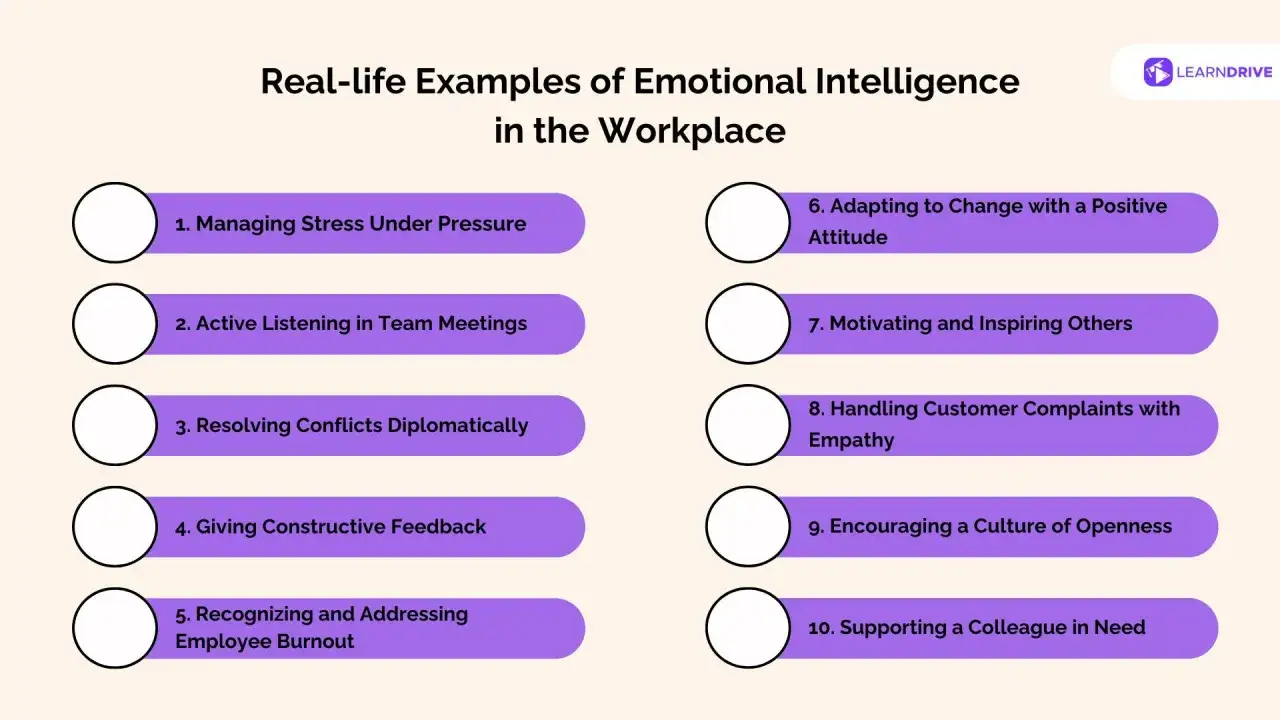
- After difficult feedback: listen, ask one clarifying question, and separate the useful part from the emotional sting.
- After a missed deadline: communicate early, own the impact, and propose a realistic reset rather than an excuse.
- After team conflict: slow the conversation down, restate the shared goal, and bring the discussion back to facts.
- After a sudden change: focus first on what you can control, then update the plan instead of mourning the old one for too long.
Those behaviours may sound ordinary, and that is exactly why they matter. They are repeatable. They are visible. And they build a reputation for steadiness that pays off in leadership, collaboration, and long-term career credibility. If you want the short version, it is this: recovery is not about pretending pressure does not exist. It is about becoming the person who can meet pressure without losing judgement.