These are the traits that turn authority into trust
- Good leadership is visible in behaviour, not job titles or polished language.
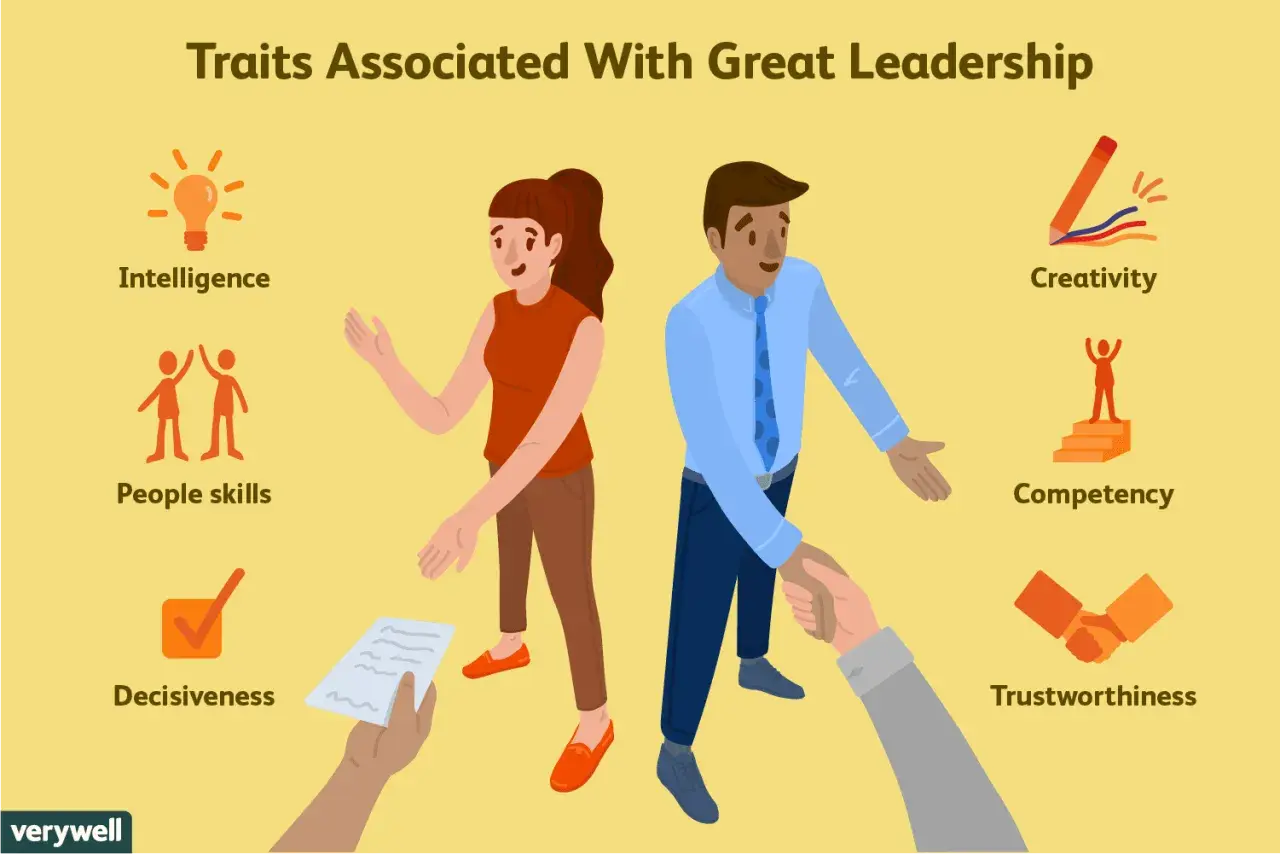
- The most reliable traits are integrity, communication, empathy, decisiveness, adaptability and accountability.
- Leadership and management overlap, but they solve different problems and need each other.
- Strong leaders create clarity, keep standards steady and make it safe to speak honestly.
- The best test is what the team does when the leader is not in the room.
What good leadership actually looks like at work
In practice, good leadership is not about sounding inspirational in a meeting. It is about making the work clearer, the expectations fairer and the team more confident in the direction ahead. I look for three things first: does the leader create clarity, do they build trust, and do they follow through when the pressure changes?
A decent manager can keep tasks moving. A good leader does that and also shapes the atmosphere around the work. That means people understand why priorities change, they know where standards are non-negotiable, and they feel safe enough to raise problems before those problems become expensive. Once you define leadership in those terms, the next question is which traits actually support it.

The core leadership traits that matter most
I think of these as a mix of trust-building traits and execution traits. Some of them come more naturally to certain people, but none of them is fixed for life. In other words, you do not need to be born with every strength; you need to know which qualities matter most and how they show up under pressure.
| Trait | What it looks like in practice | Why it matters |
|---|---|---|
| Integrity | They say what they mean, keep promises and own mistakes without dodging blame. | People will not commit fully to someone they do not trust. |
| Communication | They give context, listen properly and adjust the message to the audience. | Clarity reduces confusion, rework and silent resistance. |
| Self-awareness | They understand their blind spots, triggers and leadership habits. | Without it, even talented leaders repeat the same mistakes. |
| Empathy | They notice how decisions land on people, not just how they look on a spreadsheet. | It improves trust, retention and the quality of feedback. |
| Decisiveness | They make a call when enough evidence is available and do not hide behind endless discussion. | Teams need momentum, not permanent hesitation. |
| Adaptability | They adjust without panicking when priorities, tools or market conditions change. | Rigid leaders struggle the moment the environment stops behaving. |
| Accountability | They hold themselves to the same standard they expect from others. | Consistency is one of the fastest ways to earn respect. |
| Vision | They can explain where the team is going and why the work matters beyond today’s task list. | People work harder when they understand the destination. |
I think of these traits in two groups. Integrity, empathy, self-awareness and communication build trust. Decisiveness, adaptability, accountability and vision turn that trust into movement. If one group is missing, the leadership style starts to wobble: the person may be pleasant but vague, or efficient but difficult to follow. That balance is exactly why leadership has to sit close to management, not above it.
That balance becomes easier to see when you compare the two directly.
Why leadership and management need each other
In UK workplaces, line managers are often asked to do both jobs at once: organise delivery and shape the team’s culture. As the CIPD notes, different situations call for different leadership qualities, which is why a one-size-fits-all style usually falls apart in real life. Management keeps the work on track; leadership keeps the people aligned and willing to keep going.
| Aspect | Leadership | Management |
|---|---|---|
| Main focus | Sets direction, purpose and culture | Plans work, allocates resources and tracks delivery |
| Time horizon | Medium to long term | Short term to operational |
| Primary question | “Where are we going, and why should people care?” | “How do we get this done reliably?” |
| Risk when weak | Teams drift, disengage or lose confidence | Teams become busy but misaligned |
A manager who only manages can create order without energy. A leader who only leads can create energy without structure. The strongest people I have seen combine both: they can run a meeting, make a decision, coach a colleague and still keep the team pointed at the same destination. Once that distinction is clear, the real test is how these qualities show up day to day.
How to spot strong leadership in daily behaviour
The quickest way to judge leadership is to ignore the polished biography and watch the habits. Good leaders leave a pattern behind them. They reduce confusion instead of adding to it, and they make it easier for other people to do high-quality work.
- They explain the why. People commit faster when the reasoning is transparent, not when they are simply told to comply.
- They listen without rehearsing a defence. That is often a sign of self-awareness and emotional control, not weakness.
- They give feedback early and specifically. Vague praise and delayed criticism both waste time and create avoidable friction.
- They own mistakes quickly. Teams trust leaders who correct course without theatrics or blame shifting.
- They delegate outcomes, not just tasks. This gives people room to think, not just to execute instructions.
- They stay steady when priorities change. Adaptability is most visible in tone, not in slides or slogans.
These behaviours may look small, but repeated over time they create psychological safety, which is simply the confidence that people can speak honestly without being punished for it. Once you know what strong leadership looks like, the next problem is recognising the habits that quietly weaken it.
Common mistakes that weaken capable leaders
Most weak leadership is not malicious; it is inconsistent. The person may have intelligence, experience and even good intentions, but the team still struggles because the habits are out of tune with the role.
- Confusing confidence with clarity. Speaking firmly is not the same as making the work understandable.
- Micromanaging instead of coaching. When every decision is pulled upwards, people stop thinking for themselves.
- Avoiding hard conversations. Unresolved tension spreads quickly, especially in small teams.
- Changing standards to match the mood. Consistency matters more than charisma.
- Delegating work without authority. People cannot be accountable if they cannot actually act.
- Using urgency as a permanent style. Constant pressure eventually turns into fatigue and disengagement.
The cost of those mistakes is predictable: slower decisions, lower trust, quiet resentment and more work landing back on the leader’s desk. The good news is that none of these problems requires a personality transplant. Better habits usually do the job.
How to build better leadership habits over time
I rarely treat leadership as a yes-or-no trait. Some parts are natural tendencies, but most of what makes a leader effective is trainable if the person is willing to be specific about what they need to improve.
- Ask for behaviour-level feedback. Instead of “How am I doing?”, ask “Where do I create confusion?” or “When do I interrupt too quickly?”
- Practise one clear communication habit. For example, end every meeting with decisions, owners and deadlines.
- Delegate with boundaries. State the outcome, the standard and the check-in point, then leave room for the other person to choose the method.
- Review difficult moments after they happen. A short reflection on what went well and what did not is more useful than defending your instincts.
- Build emotional control into the routine. A pause before responding can prevent a bad decision from becoming a team-wide problem.
- Keep your standards visible. People trust leaders more when expectations are steady and explained, not improvised.
If you are naturally quiet, you do not need to become loud. If you are naturally direct, you do not need to become cold. The aim is not to imitate someone else’s style; it is to remove the friction between your style and the team’s need for clarity. That leads to one final question: what should matter most when you are choosing or developing a leader?
What I would prioritise when I am choosing the next leader
Not every role needs the same blend of strengths. A stabilising role asks for consistency and accountability. A change-heavy role asks for adaptability and calm judgement. A people-heavy role asks for empathy, feedback skill and the ability to build trust without being vague. If I were hiring or promoting, I would match the trait to the real problem the role is meant to solve.
- For a new team: prioritise communication, structure and follow-through.
- For a turnaround role: prioritise decisiveness, resilience and accountability.
- For a collaborative role: prioritise empathy, listening and conflict handling.
- For a fast-changing role: prioritise adaptability, curiosity and clear judgement.
The best leaders are not the ones who appear impressive in theory; they are the ones who make other people more effective in practice. If I had to choose one test, I would watch how a person behaves when the plan changes, the team disagrees and the numbers slip. That is where real leadership shows up.