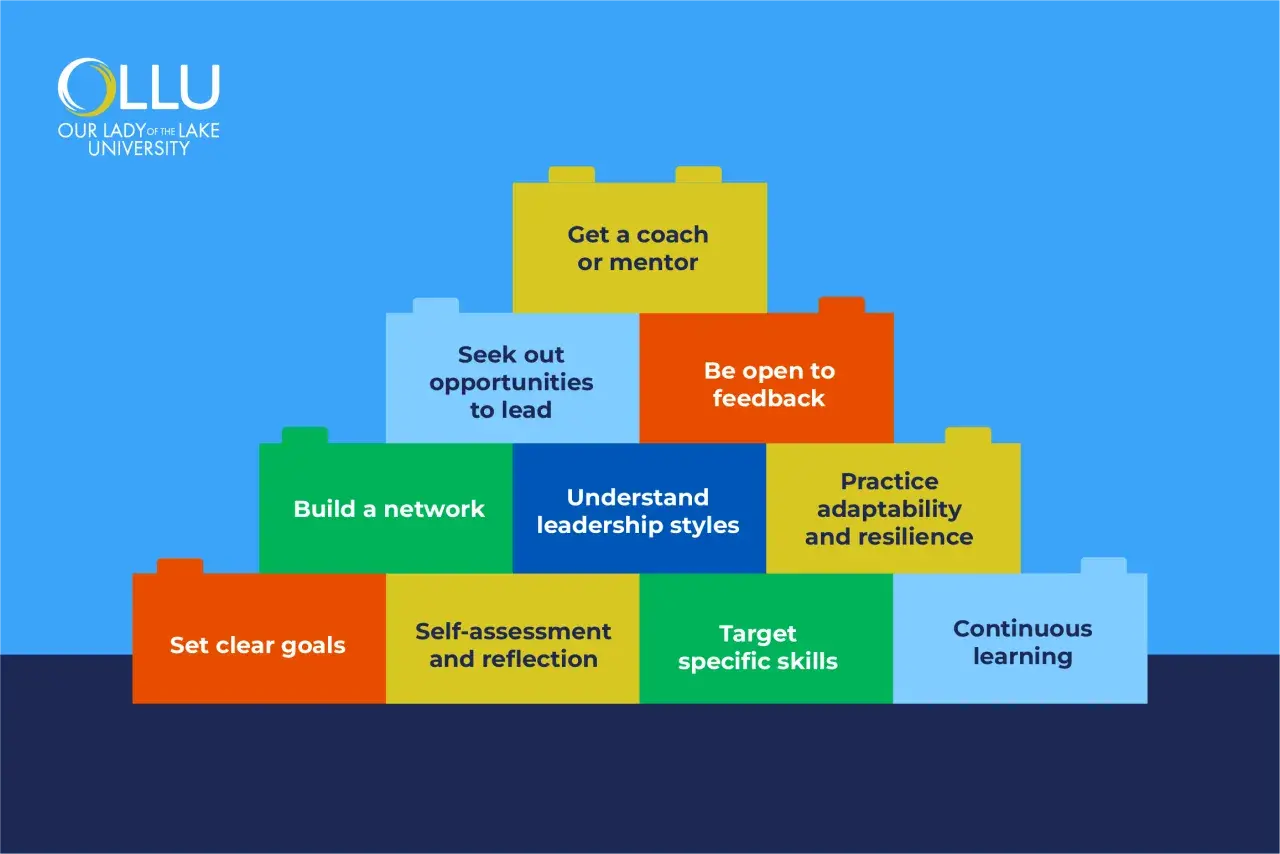
Key takeaways for organisations that want stronger leaders
- Leadership development affects engagement, retention, succession, and execution, not just senior-level confidence.
- The best programmes target real skill gaps, not generic leadership theory.
- Practice, feedback, and follow-through matter more than a single training day.
- Internal pipelines become stronger when leadership development is tied to succession planning.
- ROI is rarely instant, so measure behaviour and business signals over time.
Why leadership development changes more than the org chart
When I look at underperforming teams, the weak point is often the layer between strategy and execution. Managers shape how work is prioritised, how conflict is handled, and how people experience the organisation every day. Gallup reports that managers account for 70% of the variance in team engagement, which is why leadership capability has such an outsized effect on performance.
For UK organisations, this matters even more when budgets are tight and teams are operating across hybrid schedules. A strong leader does not just keep work moving; they create clarity, reduce friction, and help people stay engaged when pressure rises. That is why investment in leadership development is really an investment in productivity, stability, and trust. Once that is clear, the next question is what, exactly, strong development should produce.
What strong leadership development actually builds
Good leadership development is not about teaching charisma or recycling generic management advice. I think of it as a structured way to strengthen the skills that actually change how leaders behave under pressure.
The CIPD evidence review points to the same pattern: programmes work better when they are built around real task gaps, practical management skills, and clear learning goals rather than generic theory.- Decision-making so leaders can weigh risk without freezing or overreacting.
- Coaching and feedback so performance conversations become useful instead of awkward.
- Communication so teams know what matters, what is changing, and what success looks like.
- Self-awareness so leaders can see how their habits affect morale and execution.
- Accountability so standards are clear and follow-through is consistent.
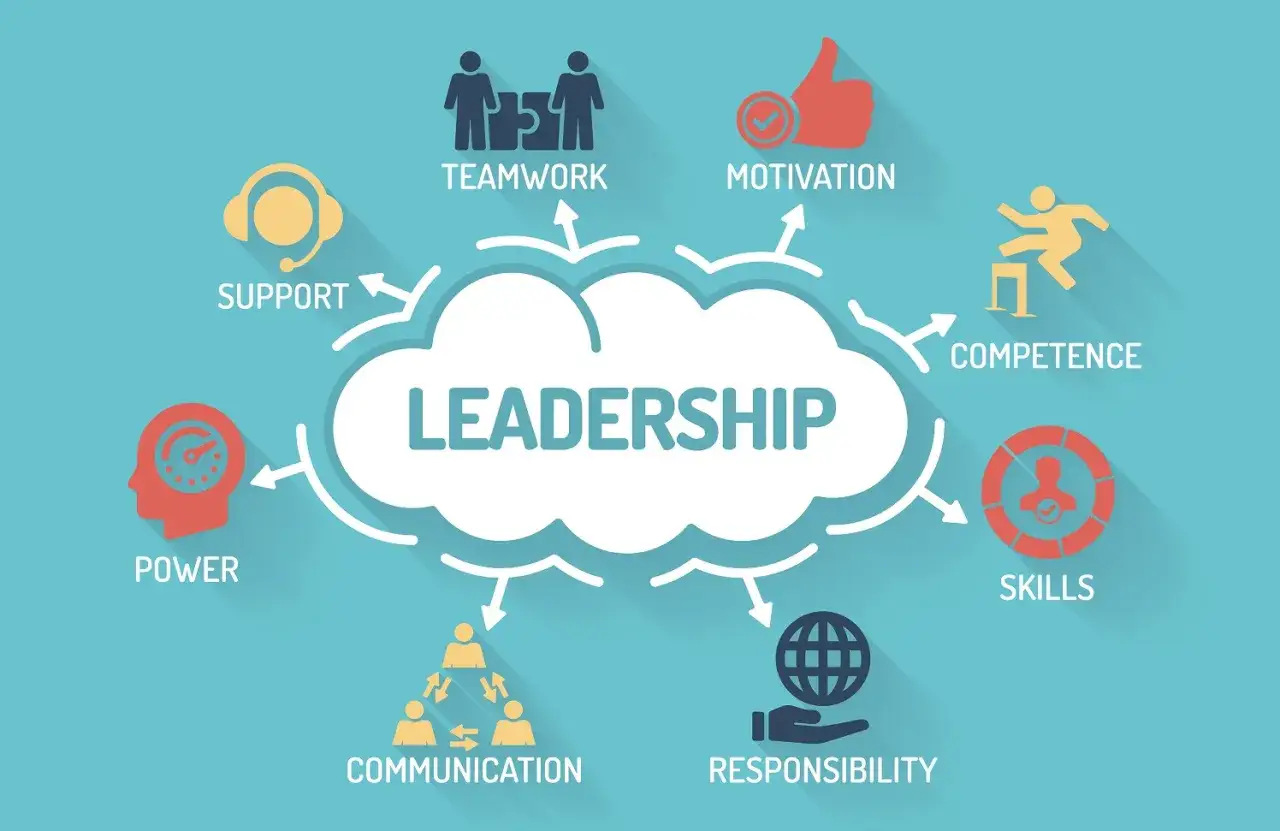
How to design a programme people will actually use
I would not start with training content. I would start with the operational problem the business wants solved, then work backwards.
| Design choice | Weak version | Stronger version |
|---|---|---|
| Starting point | Generic leadership course | Needs analysis based on real skill gaps |
| Format | One-off workshop | Spaced sessions with practice |
| Content | Theory-heavy slides | Management skills, communication, coaching |
| Support | Attendance only | Manager check-ins, feedback, and follow-up |
Evidence from leadership research suggests programmes should be of reasonable length, at least three days or repeated over time, and that practice linked to real situations improves transfer. I also like programmes that use real cases from the organisation. A manager learning about difficult feedback should not practise on a fictional script if they have a live performance issue waiting for Monday morning. Real-world relevance is what turns training into behaviour change.
Just as important, the organisation has to create a safe climate for practice. People improve faster when they are supported, not embarrassed. Recognition, feedback, and supervisor backing make it easier for new habits to stick. That same transfer effect is why leadership development has a direct link to succession and retention.
Why succession and retention improve when leaders improve
Leadership development is also a succession strategy in disguise. When organisations grow their own leaders, they reduce the risk of empty roles, rushed promotions, and knowledge loss when someone leaves. In practice, that means better continuity and less dependence on a few heroic individuals.
In the UK, that has real value because many organisations are dealing with skills shortages and pressure to do more internally. I have seen internal pipelines work best when future leaders get exposure to stretch assignments, cross-functional work, and coaching before a vacancy appears. Succession planning is stronger when it prepares people for business-critical roles early, not after the succession gap has already become a problem.
It also improves retention. Talented people tend to stay where they can see a path forward, and good leaders make that path visible. They do not just manage performance; they create reasons to commit. The danger is that organisations still waste money by treating leadership development like a prestige purchase instead of a practical capability-building exercise.
The mistakes that quietly waste leadership budgets
The quickest way to waste money is to treat leadership development as a prestige purchase. Big-name facilitation, expensive off-sites, and polished decks will not compensate for a weak diagnosis. The economics are not always easy to pin down cleanly, so I would never sell the programme as an instant profit machine.
- Training the wrong people and hoping the programme will somehow create readiness.
- Using one format for everyone even though frontline managers and senior leaders face different problems.
- Measuring attendance instead of behaviour, which tells you almost nothing about impact.
- Ignoring the manager’s manager, who often determines whether new habits survive.
- Expecting instant ROI even though leadership behaviour changes gradually.
One more reality check: experience matters. People who already lead well usually get less from another generic course than leaders who are still forming core habits. That is another reason to segment the audience instead of running the same programme for everyone. The only way to know whether the investment is paying off is to measure the right signals over time.
How I would measure progress over 90 days, 6 months, and 12 months
Attendance tells you who showed up, not whether the business is better. I would use a simple scorecard with leading and lagging indicators so the programme can be adjusted before it becomes a sunk cost.
| Timeframe | What to measure | Why it matters |
|---|---|---|
| 90 days | Manager confidence, completion of action plans, pulse feedback from direct reports | Shows whether the learning is being used quickly |
| 6 months | Quality of feedback conversations, team clarity, internal mobility, retention signals | Shows whether new behaviours are sticking |
| 12 months | Promotion readiness, succession coverage, team performance, regrettable attrition | Shows whether leadership depth is improving |
I would also collect a few open-text comments from employees, because numbers alone miss the feel of a team. If people describe their manager as clearer, calmer, and more consistent, that usually means the programme is doing real work. If they describe the same confusion six months later, the training was probably too shallow or too detached from daily habits. With that in place, the first priority becomes surprisingly simple.
Where I would start in a UK organisation
If I were advising a UK organisation tomorrow, I would start with the roles that have the biggest influence on culture and delivery, not the most senior titles. Then I would run a short needs analysis, choose one or two behaviours that matter most, and build a pilot around real work.
I would keep the first intervention practical, limited, and measurable. That means fewer slides, more practice; fewer slogans, more follow-up; and clear support from the manager above. Once the pilot shows behaviour change, I would expand it into succession planning and wider talent development.
That is how leadership development becomes an operating advantage rather than a training expense.